

Two Books, One Account
One names what made survival possible. The other names what had to be forgiven for that survival to mean anything. Read together, they form a complete account.
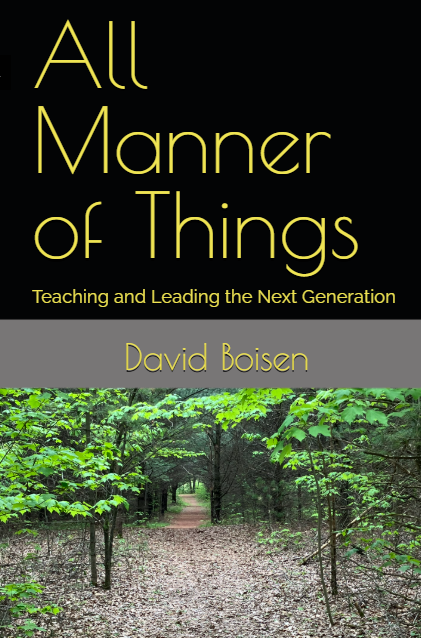
All Manner of Things
What difference does a teacher — or a leader — really make for someone carrying more than anyone can see?
David Boisen was a kid who statistically shouldn’t have made it. Four high school teachers and coaches changed that trajectory. A football coach modeled how to lead with authority and high expectations without losing his composure. A basketball coach stepped into a volatile home and convinced an abusive father that his son mattered. A choir director stayed through the night when David overdosed. An English teacher arrived on his eighteenth birthday to help him leave home and begin his adult life.
None of them were trained in trauma-informed practice — this was decades before the ACEs study reshaped how we understand adversity. They simply showed up, paid attention, and acted on what they knew was right. Years later, after two careers in the Army and in education, David recognized what they had actually been doing: practicing leadership, using behaviors that map closely onto the framework the U.S. Army uses to develop its leaders.
Part memoir and part leadership guide, All Manner of Things honors the educators who shaped him — and names, with equal honesty, the failures that taught him what not to become. It introduces twenty-six dimensions of leadership and a parallel idea to the ACEs research: Adverse Leadership Experiences, the everyday behaviors of leaders that either strengthen people or quietly erode them. Most educators already recognize these moments. What’s missing is the language to name them.
“It gives language to what many professionals have sensed but not always known how to name: that what we notice, how we respond, and what we say in critical moments can shape lives.”
Our Father is Not in Heaven
First published 2021 · Second edition, All Manner of Things LLC
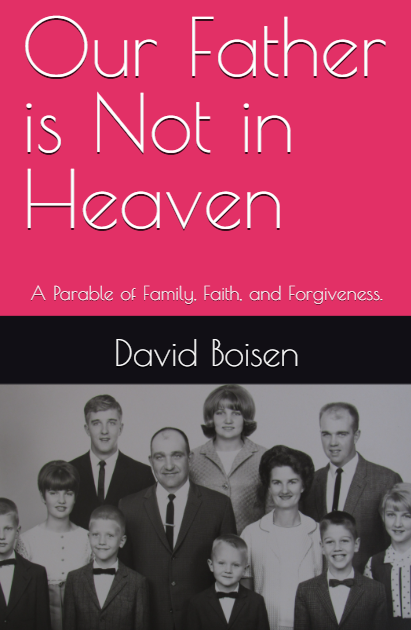
Ask any of my siblings, and they will tell you. My dad was not the best father.
A family memoir told by the youngest of nine siblings, looking back across three generations of the Boisen family — the farms, small towns, and gravel roads of rural Wisconsin, Iowa, and North Dakota. At the center is Ed: a complicated, sometimes violent father whose anger shaped each of his nine children differently. Some fought back. Some went quiet. Some left and never really came home.
Drawing on interviews with siblings, family photographs, a mother’s diary, and newspaper clippings, the book reconstructs a shared history that no two family members experienced the same way. It does not flinch from the hard parts, but it does not stop there either — woven through the pain are humor, stubbornness, and the fierce loyalty that holds a family together even when its members would rather walk away.
The final chapters arrive at the question the whole book has been building toward: How do you forgive a father who hurt you? And what does it cost you if you don’t?